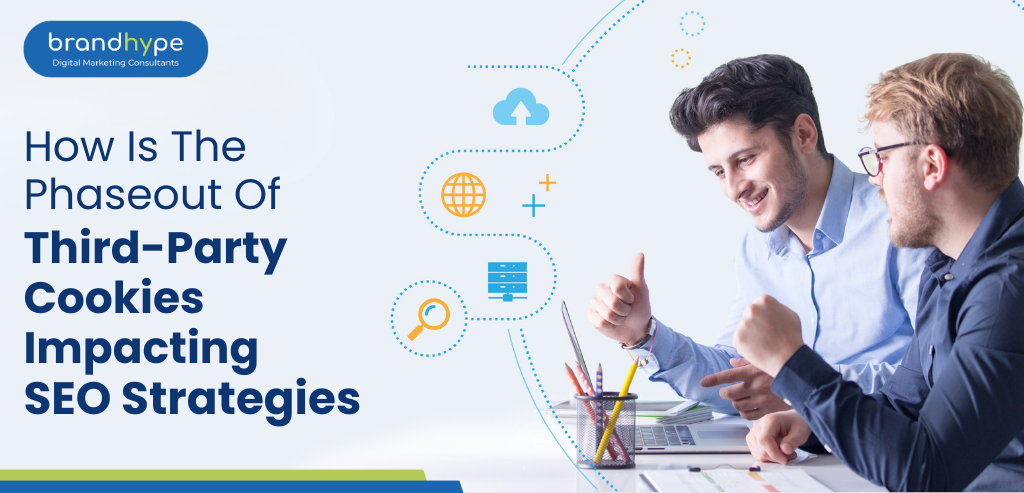
Third-party cookie phaseout is a phrase that digital marketers are very familiar with. These third-party cookies are basically used for collecting user data and tracking user behaviour on a specific site. This information is then processed by the best SEO services to reach a target audience and influence them with their personal interests.
What Are Third-Party Or First-Party Cookies? And How They Impact Web & Marketing Efficiency?
Every search engine platform allows websites certain cookies that help track users and visitors of websites; and provide an in-depth report on the overall performance, and improve the site accordingly. However, these search engines often change the policies for these cookies to improve their functionality. But, now popular search engine platforms have come up with the decision to phase out third-party cookies from their platforms, causing an uproar in the marketing.
This new development has been made only for third-party cookies, while first-party or other cookies are to work seamlessly as they used to. Naturally, it has had an impact on the market and digital marketing as a whole. The first-party cookies are installed to get direct information from clients and visitors on the website. However, they do not provide user behaviour information when visitors visit other websites.
Third-party cookies were predominantly used for tracking users’ searches, interests and basic information from other websites. In this case, as the cookie codes are placed on the visitor’s computer from the first visit to the website, they go on to track the user behaviour on other sites whenever the user goes on the internet.
The information gathered from cookies was, up until now, highly beneficial for marketers to curate SEO strategies that could effectively alter the ROI ratio. However, with the phaseout, the SEO plans of many marketers who didn’t see it coming have taken a direct hit.
How Is The Third-Party Cookie Phaseout Expected To Impact SEO Outcomes?
The best digital marketing companies probably saw the phaseout of third-party cookies coming as search engines started changing their features. Cookies were one of the most influential tools in SEO tactics, and without them, the difficulties have been doubled. Here is a glimpse at the exact problems that will impact the SEO outcomes in digital marketing after the phaseout of third-party cookies.
- As the third-party cookies are out of the game, marketers will be restricted from collecting crucial data which could be utilised for creating an SEO strategy based on user behaviour info.
- With the constraint in data collection, the analytics can be a little off the mark, which is problematic, to say the least for marketers constantly trying to enhance their audience base.
- This third-party phaseout can be a good thing for marketers if they are swift at moving away from past practices and focusing strictly on first-party cookies and on-site optimisation, eventually increasing the rank of organic searches.
- The third-party phaseout has also reduced unnecessary spending on target audiences and paid advertisements. This brings the brand’s attention back to being concerned about organic traffic and improving the platform with original and relevant content and other things of value to the visitors.
The Role of AI in Adjusting to the Elimination of Third-Party Cookies
The phaseout of third-party cookies has opened up new avenues for innovative solutions, and the one taking center stage is Artificial Intelligence. AI-powered tools help marketers adapt by analyzing first-party data more effectively, identifying patterns, and then optimizing campaigns accordingly. Predictive analytics is becoming an important part of SEO strategies, enabling brands to anticipate user behavior without relying on external tracking. Furthermore, AI helps personalize user experiences through contextual data and on-site interactions. By integrating AI, businesses are not only compensating for the loss of third-party cookies but also setting a more sustainable and privacy-conscious foundation for their marketing efforts.
Conclusion
The job of a top SEO company in Delhi has significantly changed since the phaseout of third-party cookies, turning their focus to web content functionality and first-party cookies to obtain organic visitors. This used to be the traditional practice once upon a time, and now the habit will take time to change. Nevertheless, the third-party cookies phaseout has not been all that bad, as the website can duly focus on its growth without awaiting help or resources from others.